
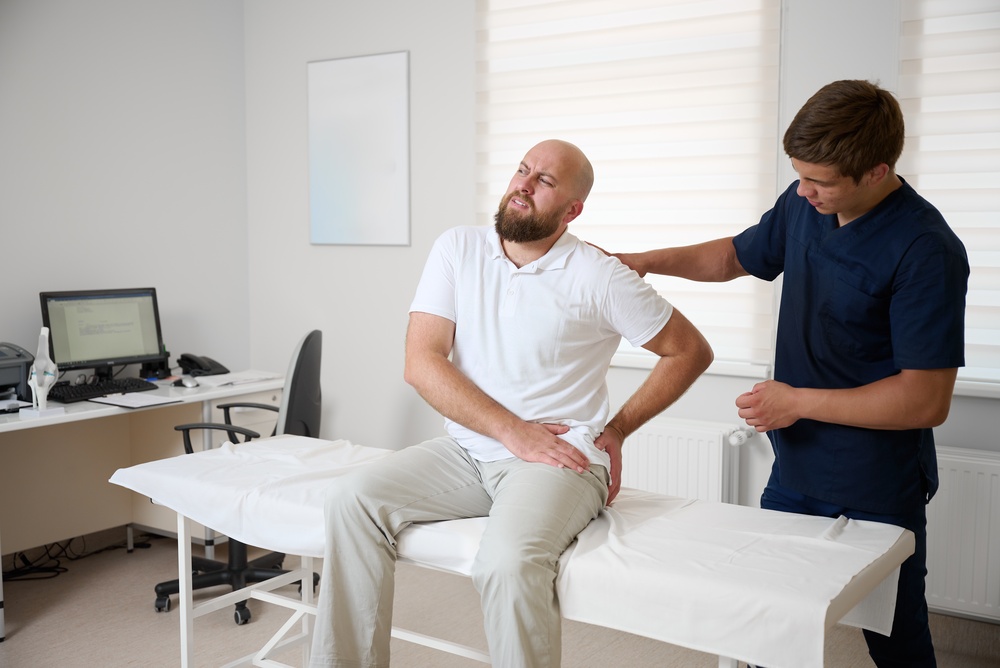
Hip pain can make even simple tasks—like walking, standing up, or getting out of your car—feel challenging. Because the hip joint carries so much of your body’s weight and allows a wide range of motion, it’s especially prone to wear, strain, and injury. At Yalich Clinic in Glen Burnie, we help patients identify the source of their hip pain and create personalized treatment plans that restore comfort, mobility, and confidence.
Whether your discomfort began suddenly or developed gradually over time, understanding what’s behind your hip pain is the first step toward effective relief.
Common Causes of Hip Pain
Hip pain can come from many structures: the joint itself, surrounding muscles, tendons, ligaments, nerves, or even areas of the lower back. Some of the most frequent causes include:
Osteoarthritis
One of the most common reasons adults experience hip pain, arthritis occurs when the cartilage cushioning the joint breaks down. This can lead to stiffness, soreness, and reduced mobility—especially first thing in the morning.
Hip Bursitis
Bursae are small fluid-filled sacs that reduce friction between tissues. When the bursae around the hip become irritated or inflamed, they can cause sharp or aching pain along the outer thigh.
Tendinitis
Overuse or repetitive motion can irritate the tendons in the hip, leading to inflammation and discomfort. This is common in runners, athletes, and individuals who stand or walk for long periods.
Muscle Strains
The hip and pelvic region contain major muscle groups like the hip flexors, glutes, and adductors. If these muscles are overstretched or pulled, sharp or persistent pain can follow.
Labral Tears
The hip labrum is a ring of cartilage that helps stabilize the joint. Tears—often from sports, trauma, or structural issues—can cause catching, clicking, or deep joint pain.
Referred Pain
Sometimes hip pain doesn’t originate in the hip at all. Issues in the lower back or SI joint can radiate downward, creating discomfort around the hip.
How Physical Therapy Helps Treat Hip Pain
At Yalich Clinic, our goal is to help you get to the root of your pain—not just mask the symptoms. Physical therapy is one of the most effective ways to treat hip pain because it restores strength, mobility, and alignment.
Your personalized treatment plan may include:
Targeted Strengthening
Weak muscles around the hip and core can increase joint stress. Strengthening the glutes, hip flexors, and stabilizing muscles provides better support and reduces pain.
Flexibility and Mobility Work
Tightness in the hips and lower back can limit movement and contribute to discomfort. Gentle stretching, mobility drills, and soft tissue techniques help improve range of motion.
Postural and Gait Training
Poor posture, improper walking mechanics, and imbalances can all strain the hip. Your therapist will evaluate and correct movement patterns to ease stress on the joint.
Manual Therapy
Hands-on techniques—such as joint mobilization and soft tissue massage—can reduce stiffness, improve circulation, and promote healing.
Rehabilitative Modalities
To relieve pain and inflammation, your therapist may use:
- Ultrasound
- Electrical stimulation
- Heat or cold therapy
- Cold laser therapy to accelerate healing
- Dry needling to release tight muscle trigger points
At-Home Exercise Guidance
Consistent progress depends on continuing exercises between visits. Your therapist will design a safe and effective home program to support your treatment.
When to Seek Professional Care
If hip pain is persistent, worsening, or interfering with your daily life, it’s important to consult a specialist. Pain lasting more than a few days, difficulty bearing weight, or pain after an injury can signal a deeper issue that requires evaluation.
Find Relief With Expert Hip Care
Hip pain doesn’t have to limit your mobility or keep you from the activities you enjoy. At Yalich Clinic in Glen Burnie, our experienced physical therapists and chiropractors work together to identify the cause of your discomfort and provide the treatment you need to feel better—without relying on surgery or long-term medication.
Ready to start your recovery? Call us today at 410-766-HURT (4878) or request an appointment online to take your first step toward lasting hip pain relief.